
Robert Pattinson tornerà nei panni di James Bond: "Shaken, Stirred, and Subverted: Why Robert Pattinson Is the Only James Bond This Century Deserves". Articolo di Kate Granger, Fashion Editor. Foto per gentile concessione di Amazon MGM / Dior.
64 years after Sean Connery lit his first cigarette at a baccarat table, 007 steps out of the shadows—and straight into the avant-garde.
Lunedì 16 novembre 2026, Amazon MGM Studios needed only a single photograph and two words to detonate the global entertainment press: “Identity confirmed.” Staring out from the frame in a razor-cut dinner jacket was Robert Pattinson, officially unveiled as the seventh actor to carry cinema’s most lucrative license to kill. Within hours, even Buckingham Palace had weighed in on social media, welcoming him to His Majesty’s Secret Service.
Five years after Daniel Craig stood stoically beneath a rain of missiles in Non c'è tempo di morire—and barely a year after longtime custodians Barbara Broccoli and Michael G. Wilson ceded creative control to Amazon MGM—the question hanging over London and Hollywood had turned existential. How do you resurrect a Cold War fantasy built on mid-century British swagger without turning him into a museum waxwork? You hand the camera to visionary director Denis Villeneuve, the screenplay to Peaky Blinders, Creatore Steven cavaliere, and the Walther PPK to an actor who spent the last fifteen years dismantling every cliché Hollywood tried to staple onto his face.
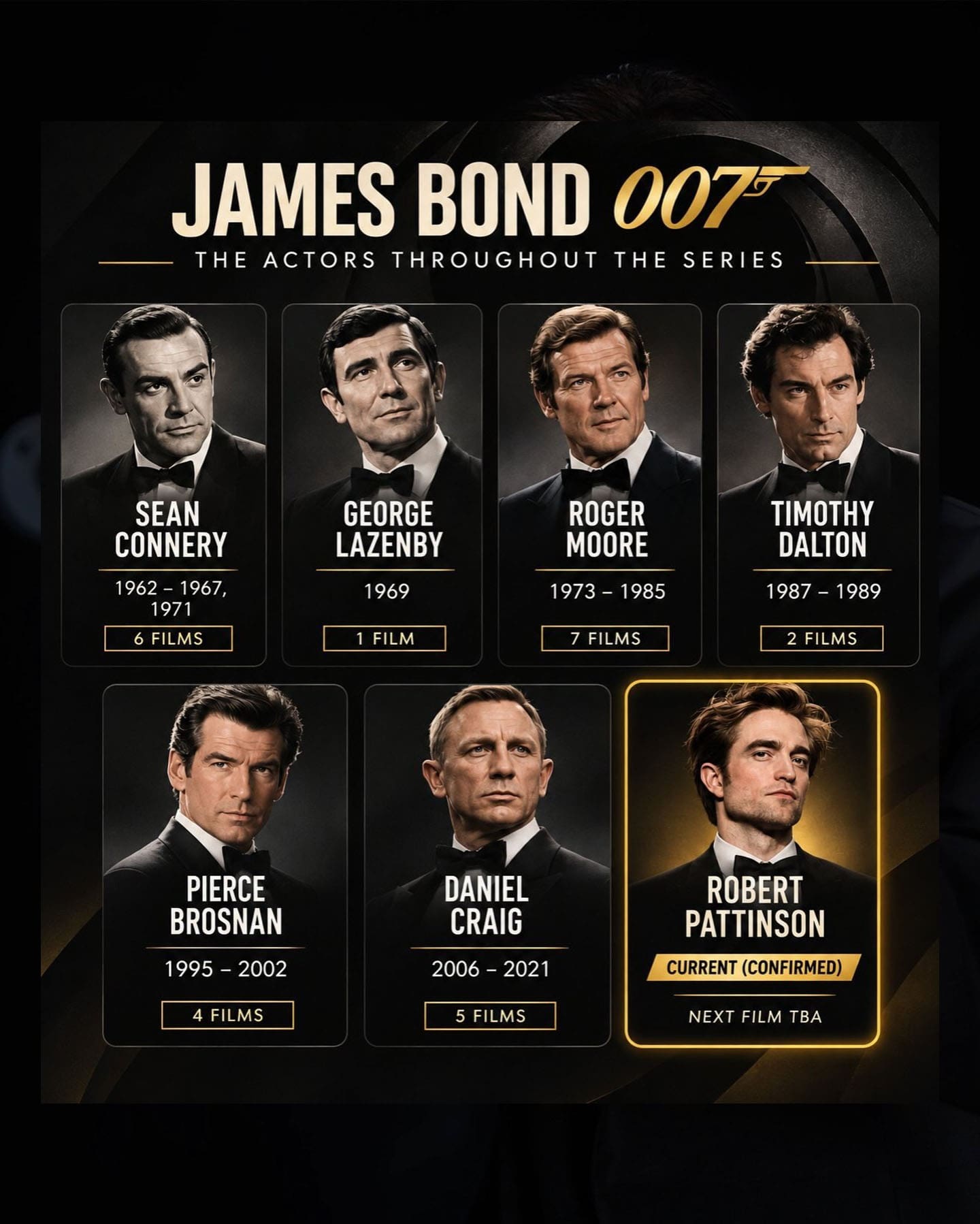
To understand why Pattinson is an inspired stroke of casting, look at the six men who wore the tuxedo before him. Every incarnation of James Bond has acted as a cultural barometer, reflecting the desires, anxieties, and sartorial codes of his decade.
Quando Sean Connery strolled into Il dott. No in 1962, the British Empire was shrinking, yet Bond remained gloriously unbothered. Across six official films, Connery fused working-class Edinburgh muscle with effortless Savile Row poise, turning Ian Fleming’s cold-blooded operative into an international phenomenon. George Lazenby, the Australian model who stepped in for 1969’s Al servizio segreto di Sua Maestà, lasted just one outing—yet delivered the franchise’s most devastating ending, proving 007 could bleed emotionally decades before prestige cinema demanded vulnerability.
Then came the seventies and eighties, and with them Roger Moore. Across seven films, Moore arched a single eyebrow through orbital laser battles, safari jackets, and disco-lit casinos, trading Fleming’s lethality for high-camp aristocratic wit. By 1987, the geopolitical mood had sobered. Timothy Dalton stripped away the winks in Di botte and Licenza di uccidere, offering a haunted, razor-edged assassin whom late-eighties audiences found almost too raw for comfort. The nineties craved sleek millennial gloss, and Pierce Brosnan arrived in 1995 like a freshly minted Eurobond—Brioni-tailored, debonair, and lethal across four blockbusters. Infine, nel 2006, Daniel Craig dragged the spy through the mud in Casino Royale, inaugurating five films of bruised realism, Tom Ford suiting, and psychological reckoning that ended in 2021 with the unthinkable: Bond dying on screen.
After Craig’s operatic farewell, casting a conventional leading man would have been a creative dead end. Traditional square-jawed heroism feels oddly antique to a generation raised on irony, algorithmic culture, and moral ambiguity. Audiences under thirty-five do not worship invincible alpha males; they gravitate toward contradiction, restless intelligence, and a hint of unpredictability behind the eyes.
Enter Robert Pattinson
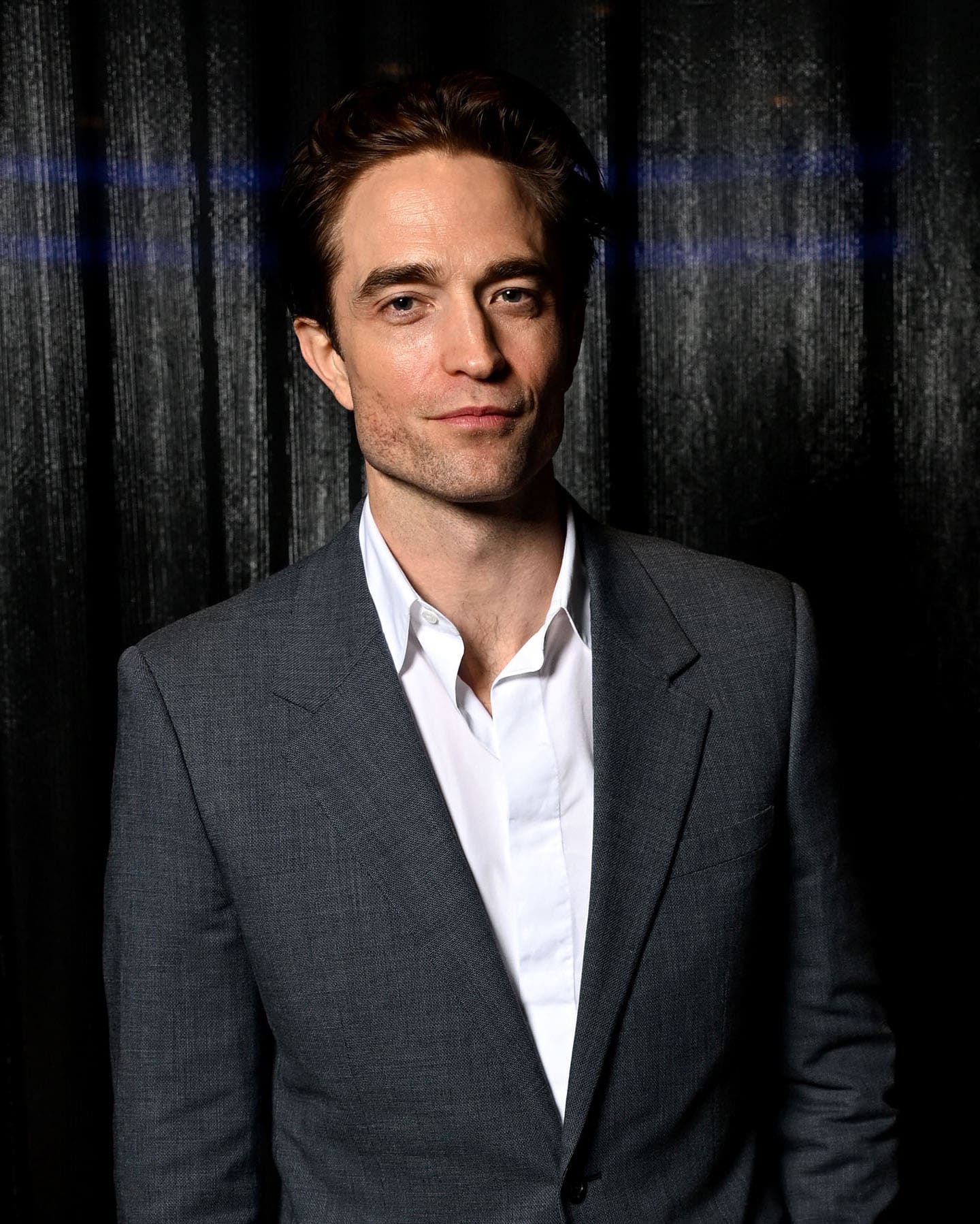
Nobody in modern cinema has engineered a career quite like his. After breaking out at nineteen in Harry Potter è il calice di fuoco—produced, fittingly, by Obbligazioni 26 produttore Davide Heyman—and surviving the blinding supernova of The Twilight Saga, Pattinson could have coasted on fragrance billboards and predictable studio paychecks. Instead, he treated global fame like an escape hatch. He vanished into the feverish neon underworld of the Safdie brothers’ Buon tempo, descended into maritime madness for Robert Eggers in Il Faro, played expendable clones for Bong Joon Ho in E se ne andò, michele 17, and tore through Christopher Nolan’s di Christopher Nolan. and Prima serata with feral precision. Even his Bruce Wayne in Il Batman rejected billionaire playboy tropes in favor of a nocturnal, bruised detective.
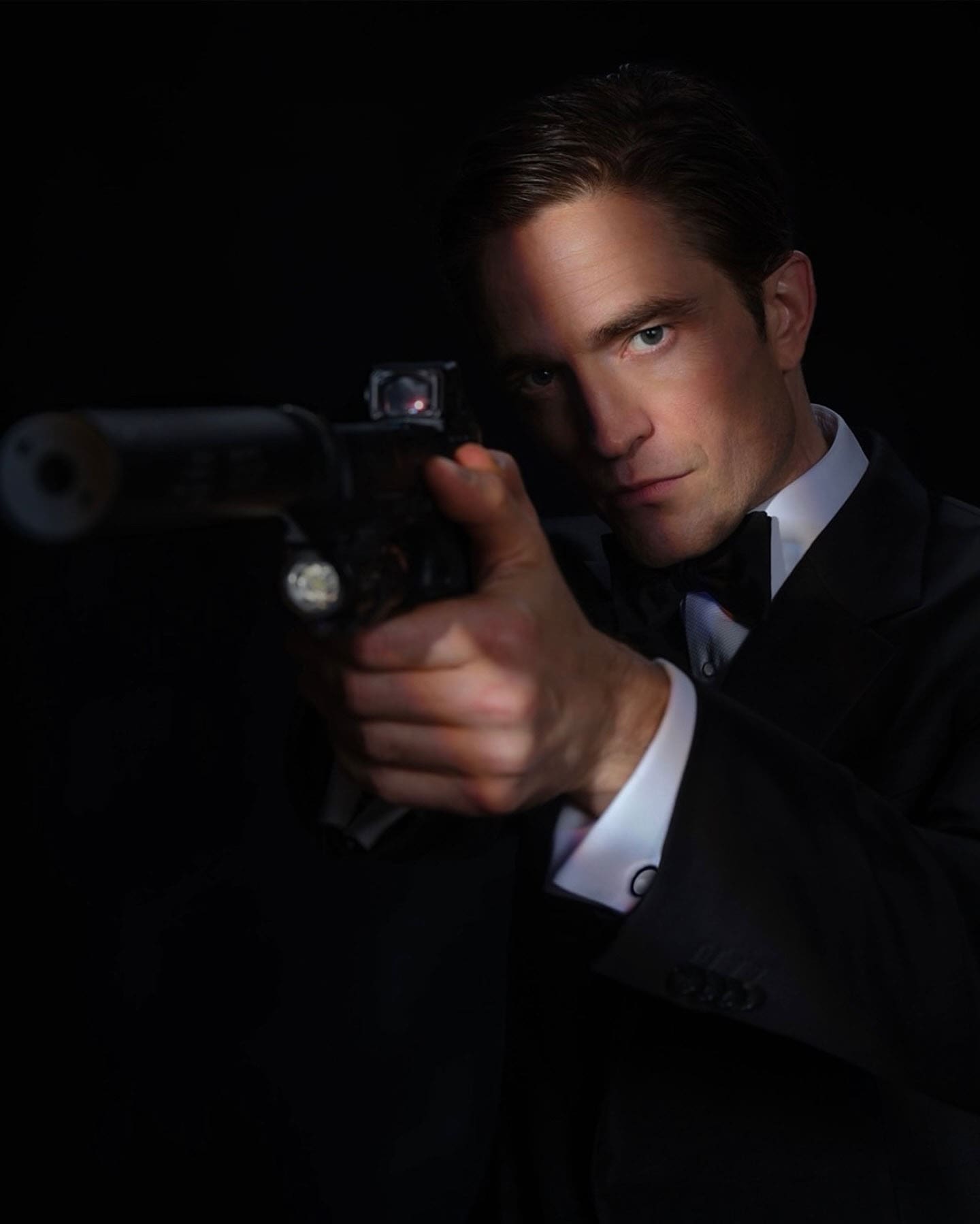
Yet here lies the delicious paradox that makes him irresistible as 007: beneath all that indie subversion sits unmistakable Old World luxury. For more than a decade as the enigmatic face of Dior Homme, Pattinson has worn sharp tailoring not like a uniform, but like second skin. He carries the aristocratic bone structure of a classic British matinee idol paired with the slightly dangerous, off-kilter electricity of an art-house provocateur. Producers Amy Pascal and David Heyman pointed directly to his “fearlessness as an actor” and “self-deprecating wit,” while Villeneuve praised his “timeless soul” alongside “a spirit that is completely new.”
That duality is lethal. Pattinson never strains to look cool; he makes cool feel volatile again. Surrounded by a shortlist of strong British contenders—including Callum Turner, Jack Lowden, Josh O’Connor, and Nicholas Hoult—he emerged as the choice capable of bridging heritage cinema and contemporary edge.
With production slated to begin in the United Kingdom next year ahead of a 2028 release, and Pattinson reportedly committed to a three-picture arc, Obbligazioni 26 feels less like a corporate reboot and more like a genuine artistic gamble. Calling the role “the honour of a lifetime,” Pattinson inherits a myth that has outlived the fall of empires, the end of the Cold War, and the upheaval of modern cinema. Sixty-four years on, the tuxedo still fits—only now, the man inside it refuses to play by anyone’s rules.
The new James Bond will return.
